Why I Choose DSLR Cameras For Photography Over Mirrorless Cameras
I don’t choose my cameras based on trends. I choose them based on how they feel in my hands, how they respond in real life, and how deeply they connect me to the moment. For me, that still means the DSLR.
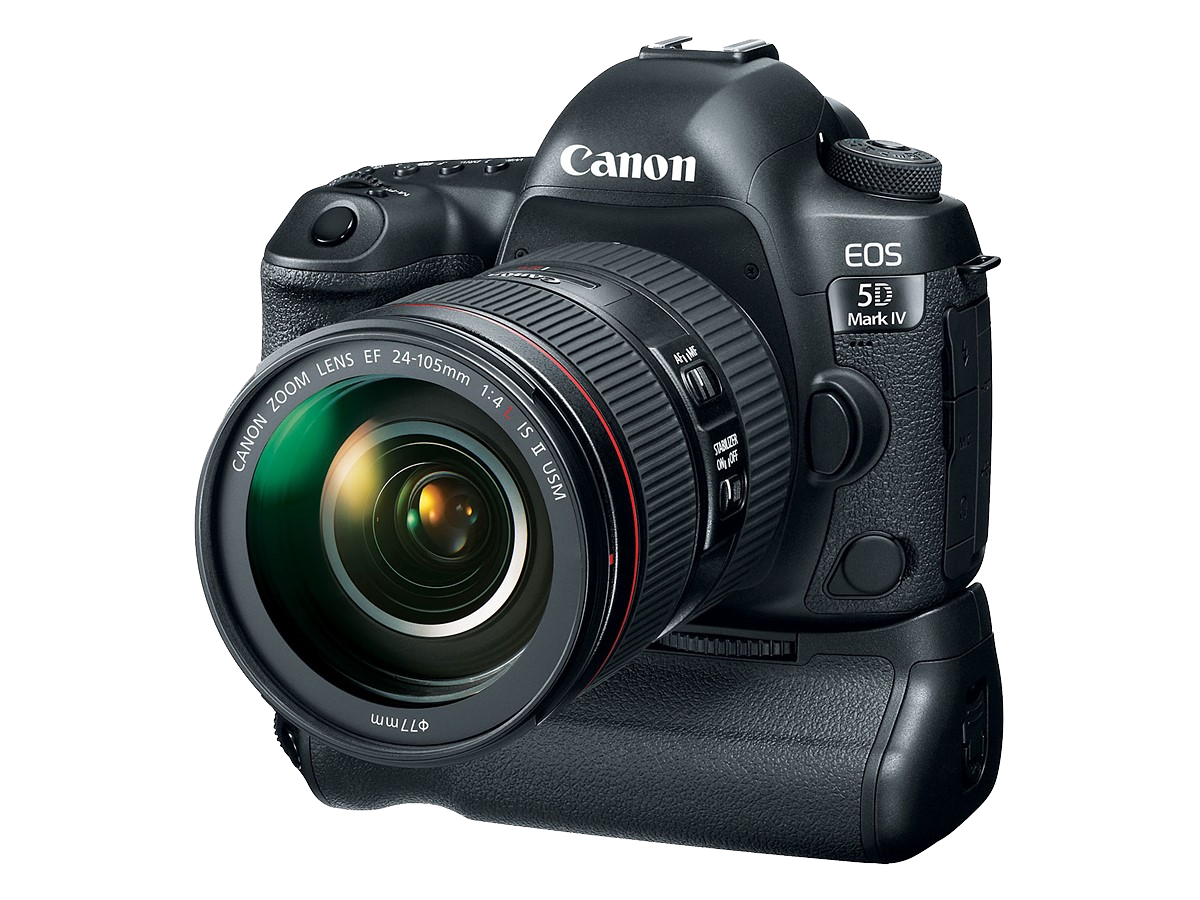
𝘛𝘓;𝘋𝘙: 𝘐 𝘤𝘩𝘰𝘰𝘴𝘦 𝘋𝘚𝘓𝘙𝘴 for photography 𝘣𝘦𝘤𝘢𝘶𝘴𝘦 𝘵𝘩𝘦𝘺 𝘧𝘦𝘦𝘭 𝘳𝘦𝘢𝘭 𝘪𝘯 𝘮𝘺 𝘩𝘢𝘯𝘥𝘴 — 𝘴𝘰𝘭𝘪𝘥, 𝘳𝘶𝘨𝘨𝘦𝘥, 𝘳𝘦𝘴𝘱𝘰𝘯𝘴𝘪𝘷𝘦, 𝘢𝘯𝘥 𝘦𝘮𝘰𝘵𝘪𝘰𝘯𝘢𝘭𝘭𝘺 𝘤𝘰𝘯𝘯𝘦𝘤𝘵𝘦𝘥 𝘪𝘯 𝘢 𝘸𝘢𝘺 𝘮𝘪𝘳𝘳𝘰𝘳𝘭𝘦𝘴𝘴 𝘤𝘢𝘮𝘦𝘳𝘢𝘴 𝘢𝘳𝘦𝘯’𝘵 𝘧𝘰𝘳 𝘮𝘦. 𝘔𝘺 𝘊𝘢𝘯𝘰𝘯 𝟧𝘋 𝘔𝘢𝘳𝘬 𝘐𝘝, 𝘢𝘭𝘰𝘯𝘨 𝘸𝘪𝘵𝘩 𝘮𝘺 𝘰𝘵𝘩𝘦𝘳 𝘊𝘢𝘯𝘰𝘯 𝘣𝘰𝘥𝘪𝘦𝘴, 𝘱𝘢𝘪𝘳𝘦𝘥 𝘸𝘪𝘵𝘩 𝘊𝘢𝘯𝘰𝘯 𝘓 𝘚𝘦𝘳𝘪𝘦𝘴 𝘢𝘯𝘥 𝘚𝘪𝘨𝘮𝘢 𝘈𝘳𝘵 𝘨𝘭𝘢𝘴𝘴, 𝘨𝘪𝘷𝘦 𝘮𝘦 𝘦𝘷𝘦𝘳𝘺𝘵𝘩𝘪𝘯𝘨 𝘐 𝘯𝘦𝘦𝘥 𝘸𝘪𝘵𝘩𝘰𝘶𝘵 𝘵𝘩𝘰𝘶𝘴𝘢𝘯𝘥𝘴 𝘰𝘧 𝘶𝘯𝘯𝘦𝘤𝘦𝘴𝘴𝘢𝘳𝘺 𝘧𝘰𝘤𝘶𝘴 𝘱𝘰𝘪𝘯𝘵𝘴 𝘰𝘳 𝘧𝘳𝘢𝘨𝘪𝘭𝘦, 𝘵𝘰𝘺-𝘭𝘪𝘬𝘦 𝘥𝘦𝘴𝘪𝘨𝘯𝘴. 𝘐 𝘤𝘰𝘮𝘦 𝘧𝘳𝘰𝘮 𝘵𝘩𝘦 𝘧𝘪𝘭𝘮 𝘦𝘳𝘢, 𝘢𝘯𝘥 𝘋𝘚𝘓𝘙𝘴 𝘤𝘢𝘳𝘳𝘪𝘦𝘥 𝘵𝘩𝘢𝘵 𝘴𝘰𝘶𝘭 𝘧𝘰𝘳𝘸𝘢𝘳𝘥 𝘸𝘪𝘵𝘩 𝘵𝘩𝘦 𝘱𝘰𝘸𝘦𝘳 𝘰𝘧 𝘪𝘯𝘴𝘵𝘢𝘯𝘵 𝘳𝘦𝘴𝘶𝘭𝘵𝘴 — 𝘴𝘰𝘮𝘦𝘵𝘩𝘪𝘯𝘨 𝘮𝘪𝘳𝘳𝘰𝘳𝘭𝘦𝘴𝘴 𝘧𝘦𝘦𝘭𝘴 𝘭𝘪𝘬𝘦 𝘪𝘵 𝘮𝘰𝘷𝘦𝘴 𝘢𝘸𝘢𝘺 𝘧𝘳𝘰𝘮, 𝘯𝘰𝘵 𝘵𝘰𝘸𝘢𝘳𝘥. 𝘍𝘪𝘭𝘮 𝘸𝘪𝘭𝘭 𝘢𝘭𝘸𝘢𝘺𝘴 𝘭𝘪𝘷𝘦 𝘪𝘯 𝘮𝘺 𝘩𝘦𝘢𝘳𝘵, 𝘣𝘶𝘵 𝘋𝘚𝘓𝘙 𝘪𝘴 𝘸𝘩𝘦𝘳𝘦 𝘮𝘺 𝘤𝘳𝘢𝘧𝘵 𝘩𝘢𝘴 𝘭𝘪𝘷𝘦𝘥 𝘧𝘰𝘳 𝘵𝘩𝘦 𝘱𝘢𝘴𝘵 𝘵𝘸𝘦𝘯𝘵𝘺 𝘺𝘦𝘢𝘳𝘴.
When I pick up my most trusted cameras — my Canon 5D Mark IV, my Canon 5D Mark III, my two Canon 6D, my Canon 7D, and my Canon 60D — they feel like real cameras. They have weight. They have balance. They feel solid, rugged, and purpose-built. They don’t feel like toys. They feel like tools designed for real-world professional use. Their ergonomics matter to me. Their grips matters. The way these cameras settle into my hands and becomes an extension of my body matters. Many mirrorless cameras feel light to the point of feeling fragile, overly plastic, and toy-like.
My DSLRs feel confident.
They feel grounded.
They feel serious.
I come from the film era. I shot 35mm. I shot medium format. I shot large format. I learned photography slowly, deliberately, one frame at a time. I learned patience. I learned exposure. I learned to trust my instincts before I ever trusted a meter. Even today, many professional photographers still use film, and I deeply respect that.
Film will always hold a sacred place in my heart. But for me, moving from film to DSLR was like moving from drawing with pen and ink on Mylar paper to using AutoCAD in my architectural life. It didn’t take away the craft — it simply gave me the same precision with powerful, instant advantages.
DSLRs carried everything I loved about film forward and gave me immediate feedback, incredible consistency, and limitless creative freedom. I no longer use film cameras because the advantages of DSLRs are simply too powerful for the way I work today — even though film will always be part of who I am as a photographer.
Mirrorless, however, feels different to me. It doesn’t feel like a natural evolution from film. It feels more like technology moving toward automation and simulation — almost like AI stepping into a space that used to belong to human instinct. That’s not a criticism of the technology. It’s simply how it feels to me emotionally. I don’t want my camera to anticipate my decisions. I want it to respond to them.
I love the sound and feel of a real mechanical shutter. That subtle vibration and that unmistakable click is part of the experience for me. It confirms that the moment was captured. It reminds me that photography is still a physical act, not just a digital one.
Looking through an optical viewfinder keeps me fully present. I see the world as it truly exists in front of me — not through a screen, not through exposure simulation, and not through refresh rates. There is no digital interpretation between me and my subject. I see real light, motion, emotion, and timing in real time, and that allows me to disappear into the moment completely.
My cameras are always ready the instant I raise them to my eye — even if they’re turned off. There is no electronic delay lag, no hesitation between intention and capture. When something real happens in front of me, I can respond instantly and trust that my camera will keep up.
The glass I use is just as important as the bodies. I photograph mostly with Canon L Series and Sigma Art optics because they are built for professionals who demand durability, stunning color, contrast, weather sealing, and uncompromising image quality. And when I want to step outside the rules and create something more expressive and artistic, I reach for my Lensbaby optics — my Velvet, Sweet, and Omni tools — to bend light, soften reality, and let creativity lead. These lenses are substantial, precise, and beautifully balanced on DSLR bodies. They feel intentional. They feel permanent.
The Canon 5D Mark IV in particular remains one of the most trusted professional DSLR cameras in the world for a reason. It produces beautiful full-frame files, outstanding dynamic range, excellent color, and legendary reliability. It is still a backbone camera for working professionals across portrait, wedding, fashion, commercial, photojournalism, and fine art photography — not because it is trendy, but because it is proven.
I don’t need thousands of focus points, eye detection, animal detection, vehicle tracking, layers of automated subject recognition, or a gazillion frames per second deciding what matters for me. I know where my focus point is. I know how to move it instantly without taking my eye from the viewfinder. I know when to trust autofocus and when to take complete control myself. Photography isn’t about how much the camera can recognize or how fast it can machine-gun images — it’s about what I choose to recognize in the frame. Focus is not a feature count. It’s intent.
Battery life is another reason I stay with DSLRs. I can shoot long sessions, full events, and extended projects without constantly swapping batteries, worrying about charge levels, or fearing the overheating and shutdowns that many mirrorless camera owners complain about and struggle with. My cameras work for me — not the other way around.
Flash photography also feels natural and predictable on a DSLR. What I see through the viewfinder stays stable when I use studio lighting. Nothing fights my lighting decisions. Everything behaves the way professional flash photography is supposed to behave.
For me, DSLRs feel mechanical, physical, and emotionally connected. Mirrorless cameras often feel more like small computers with lenses attached. I don’t want my camera to think for me. I want it to respond with me.
Mirrorless technology is impressive. It is fast. It is powerful. It is modern. But DSLR systems are refined, deeply proven, and built for longevity. With today’s used market, professional DSLR bodies and elite lenses are more accessible than ever — not as a compromise, but as a deliberate choice.
I don’t chase firmware updates, focus point counts, or feature checklists. I chase light. I chase emotion. I chase timing. I chase story.
And when I lift one of my DSLR cameras dressed in Canon L glass or Sigma Art optics, it doesn’t feel outdated to me.
It feels right.